Description
1. Definition
A 260g cotton fire retardant clothes factory refers to a professional manufacturing enterprise that produces protective garments made from 260 grams per square meter pure cotton fire resistant fabric. This medium-heavyweight cotton fabric is processed with durable flame retardant finishing to produce safety workwear for industrial personnel exposed to flame, sparks and radiant heat hazards.
2. Fabric Specification & Material Features
- Grammage: 260 g/m², medium-heavy weight grade. The fabric achieves a good balance of mechanical strength, thermal protection and wearing comfort, thicker than regular medium-weight textiles and suitable for year-round industrial protective apparel.
- Raw material: 100% cotton fiber. When subjected to open flame or high temperature, cotton carbonizes instead of melting, generating no molten drips so as to avoid secondary burns to wearers. It also provides natural softness, moisture absorption and skin friendliness.
- Weave options: Mainly dense twill and drill weave. Tight weaving structure improves tensile strength, abrasion resistance and shape stability for long-term on-site use.
3. Fire Retardant Mechanism
The pure cotton fabric undergoes durable phosphorus-based flame retardant finishing such as Proban, THPC or Pyrovatex technology. Flame retardant agents form stable covalent bonds with cotton fibers rather than temporary surface coating.
Upon contact with flames or hot sparks, a compact carbon barrier forms rapidly to isolate oxygen, restrict flame propagation, and the fabric self-extinguishes once removed from fire sources. It maintains qualified fire resistant performance after 50+ industrial washes.
Compliant standards: EN 11612, NFPA 2112, GB 8965.
4. Factory Production Scope
The factory carries out integrated production procedures including fabric cutting, sewing, reinforcing stitching, accessory assembly, inspection and packaging.
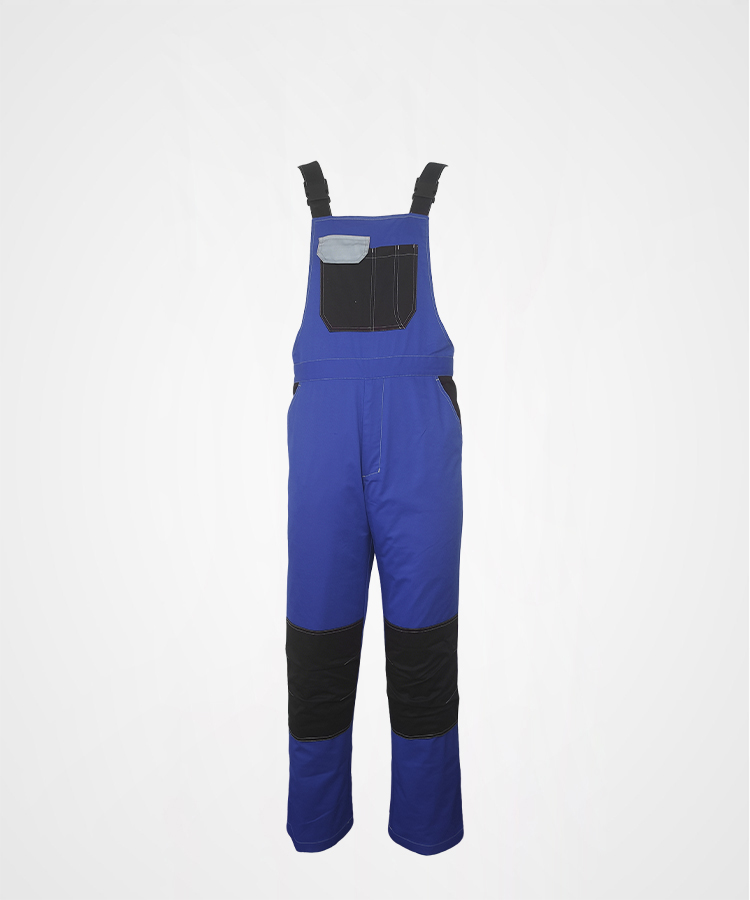
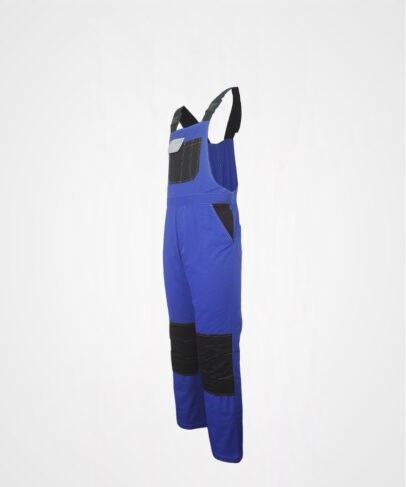
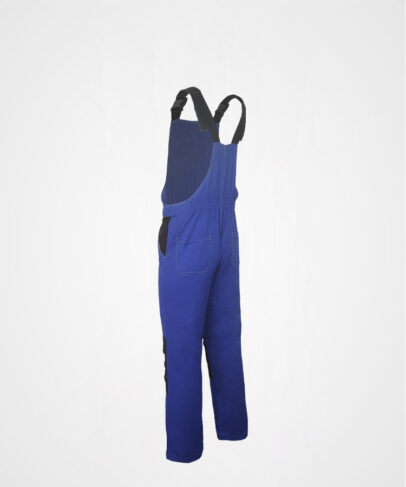
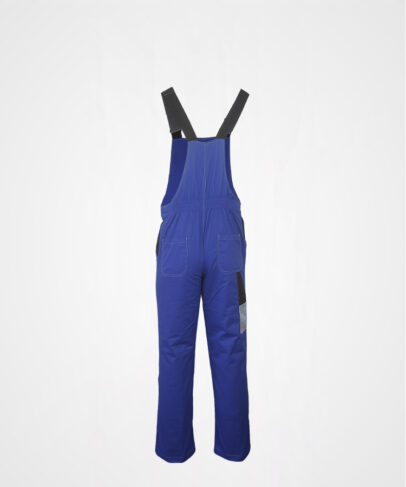
Main finished products: fire resistant coveralls, work jackets, bib overalls, work trousers and split suits.
Customizable services: color matching, logo printing, reflective tape attachment and additional functional treatment such as anti-static finishing.
5. Core Advantages
- Safe pure cotton substrate without molten drip risks, meeting strict occupational safety requirements.
- 260g medium-heavy weight offers reliable durability and thermal shielding for heavy-duty working conditions.
- Stable and lasting fire resistant function after repeated industrial cleaning.
- Supports mass bulk orders and customized designs for domestic and overseas workwear buyers.
- Natural cotton delivers better comfort than synthetic heavyweight fabrics for long-shift workers.
6. Limitations
- Medium-heavy thickness leads to relatively limited air permeability, prone to stuffiness under high-temperature working environments.
- Pure cotton material tends to wrinkle after washing.
- Fire resistant performance will degrade if garments are washed with bleach or strong alkaline detergents.
7. Typical Application Scenarios for Garments
- Protective clothing for welding, metallurgy, machinery processing and high-temperature posts
- Safety workwear for petrochemical, oil & gas, chemical and mining industries
- Industrial uniforms for construction sites and workshops with flame and spark risks
8. Relevant Compliance Standards
- Flame resistance: EN 11612, NFPA 2112, GB 8965
- Fabric physical performance: ISO 13934, ISO 13937
- Color fastness: ISO 105 series
- Dimensional stability: ISO 6330
More details
- There has pocket on anti-static coverall left sleeve.
- 0.6cm single visible stitching on the anti-static coverall’s shoulder,arm hole,front&back fly,outside seam.beautiful and firm.
- Rubber band on waist line fits more people in different body form.
- Double closed metal zipper closed to the collar in Front fly with the pull loop. The anti-static coverall cover the zipper, zipper teeth will not appear.
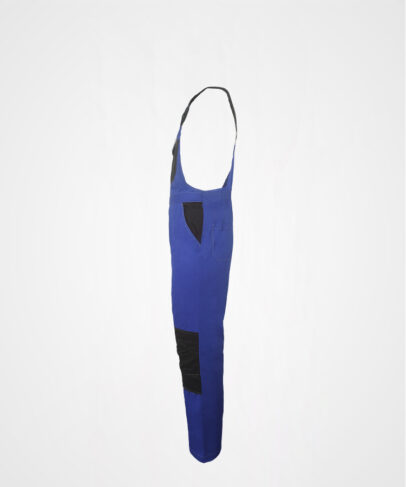
- Slant pockets on each side of the anti-static coverall.
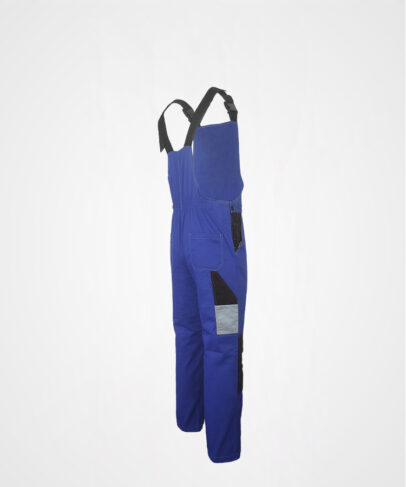
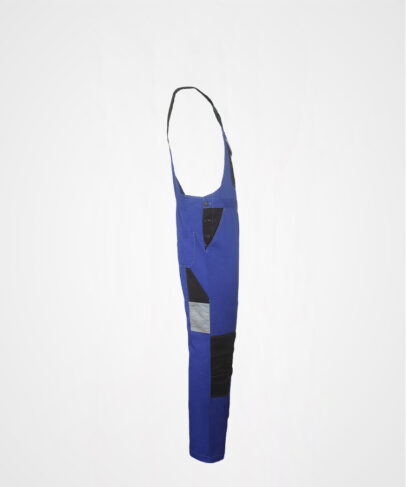
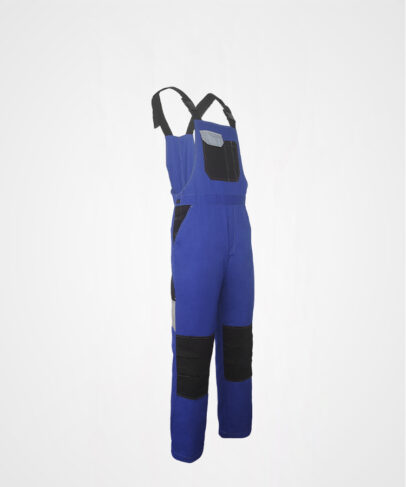
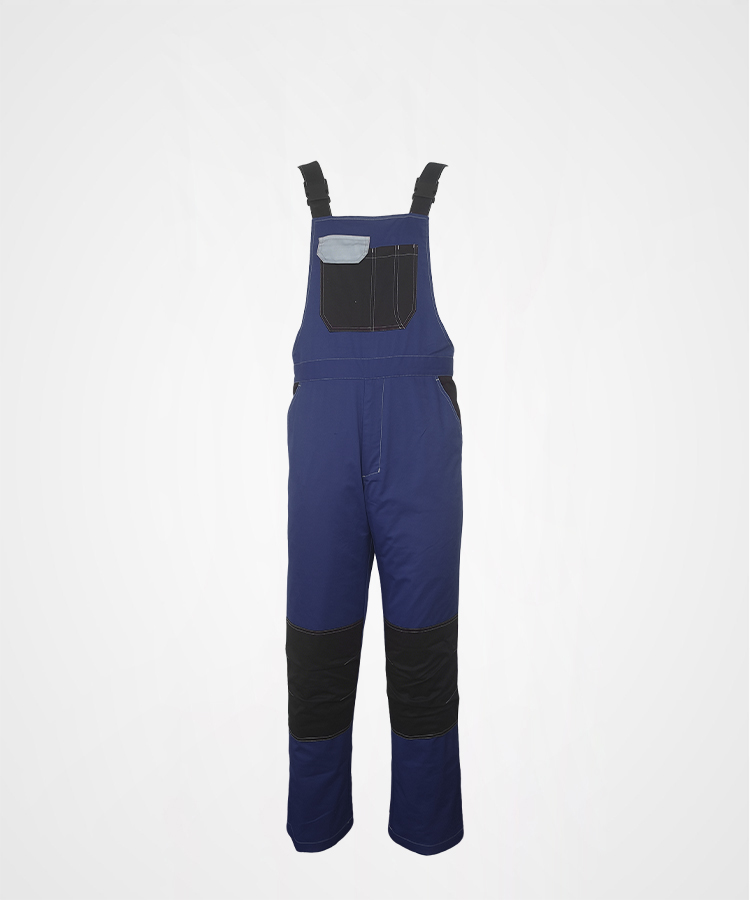
- Kneecap to increase wearing resistance.
- Bar-tacking on all stress points to increase the fastness.

Standards
| EN ISO 11611 | Protective clothing for use in welding and allied processes |
| EN ISO 11612 | Protective clothing – Clothing to protect against heat and flame |
| EN ISO 14116 | Protective clothing - Protection against heat and flame |
| NFPA70E | Standard for Electrical Safety in the Workplace |
| NFPA2112 | Standard on Flame-Resistant Garments for Protection of Industrial Personnel Against Flash Fire |
Size Chart
Measurements are in inches.
| Size |
Neck |
Chest |
Waist |
Sleeve |
| S |
14 - 14.5 |
34 - 36 |
28 - 30 |
32.5 - 33 |
| M |
15 - 15.5 |
38 - 40 |
32 - 34 |
33.5 - 34 |
| L |
16 - 16.5 |
42 - 44 |
36 - 38 |
34.5 - 35 |
| XL |
17 - 17.5 |
46 - 48 |
40 - 42 |
35.5 - 36 |
| 2XL |
18 - 18.5 |
50 - 52 |
44 - 46 |
36.5 - 37 |
| 3XL |
19 - 19.5 |
54 - 56 |
48 - 50 |
37 - 37.5 |
| 4XL |
20 - 20.5 |
58 - 60 |
52 - 54 |
37.5 - 38 |
| 5XL |
21 - 21.5 |
62 - 64 |
56 - 58 |
38 -38.5 |
Hint: For the most accurate results, measure yourself in your undergarments.
Neck: Measure around the base of your neck, inserting your forefinger between the tape and your neck to allow ease in fit.
Chest: Measure around the fullest part of your chest, keeping tape firmly under your armpits and around your shoulder blades.
Waist: Measure around your waist, slightly below your natural waist, where you normally wear your pants. Insert your forefinger between the tape and your body to allow ease in fit.
Related Products:



 公网安备: 41070202000590