1. Definition
This term refers to manufacturing facilities that produce flame retardant CVC fabric and finished CVC flame-resistant overalls for industrial protection. CVC denotes a cotton-rich polyester-cotton blended fabric, which combines the merits of cotton and polyester. The finished overalls are widely used as standard protective workwear in fire-risk industrial sites.
2. Material Introduction: CVC Fabric
- CVC (Chief Value Cotton): A blended fabric with cotton as the dominant component and polyester as the secondary fiber. Typically cotton content exceeds polyester.
- Cotton: Delivers soft hand feel, good air permeability, moisture absorption and comfort. It carbonizes under high heat without producing molten drips, lowering secondary burn risks.
- Polyester: Enhances fabric tensile strength, abrasion resistance, wrinkle resistance and shape retention, and reduces fabric shrinkage after washing.
- The fabric is treated with professional durable flame retardant finishing to gain permanent fire-resistant performance.
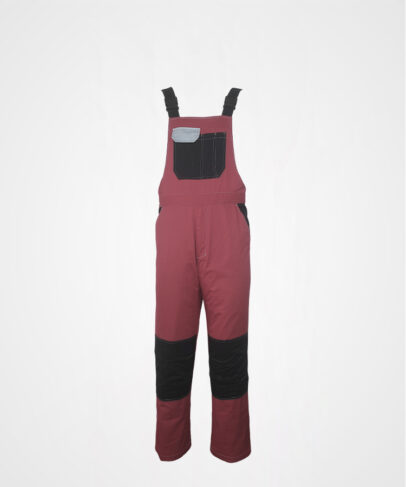
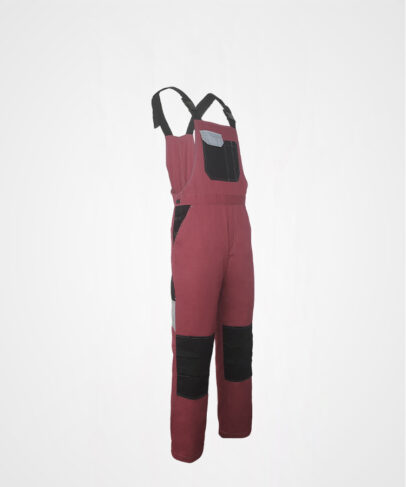
3. Product: Flame Retardant Overall
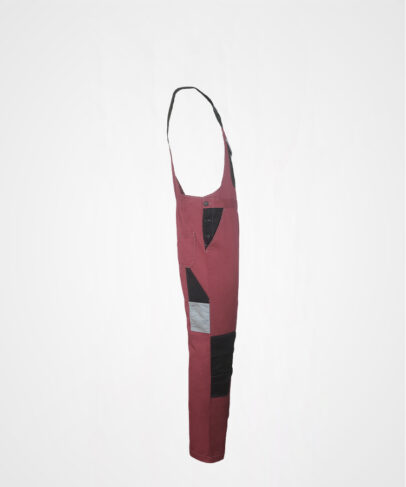
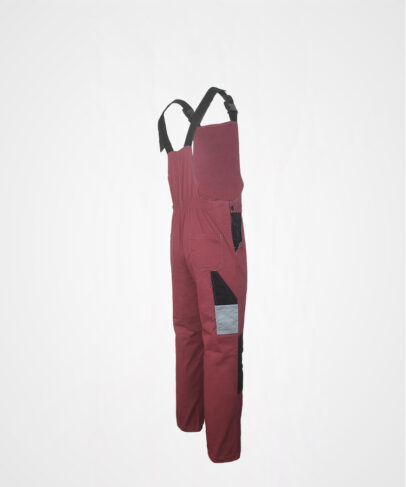
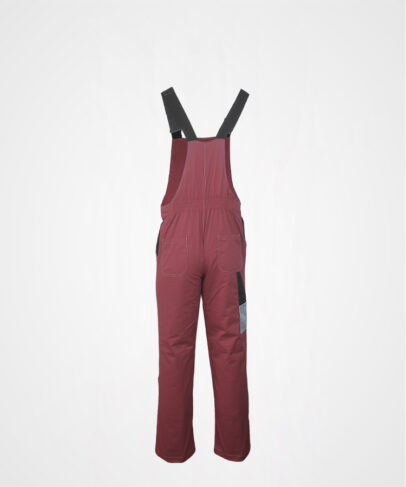
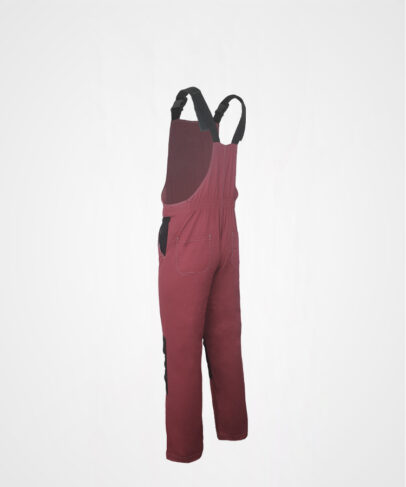
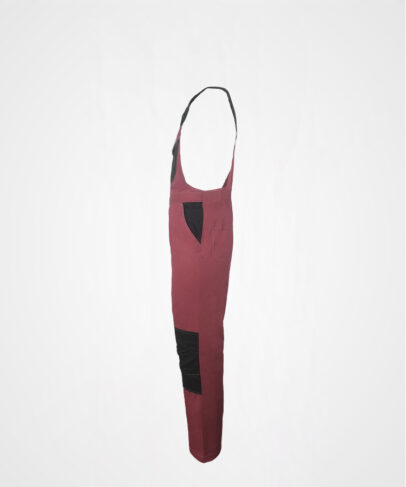
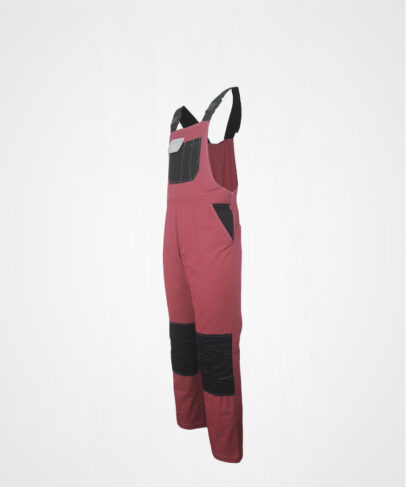
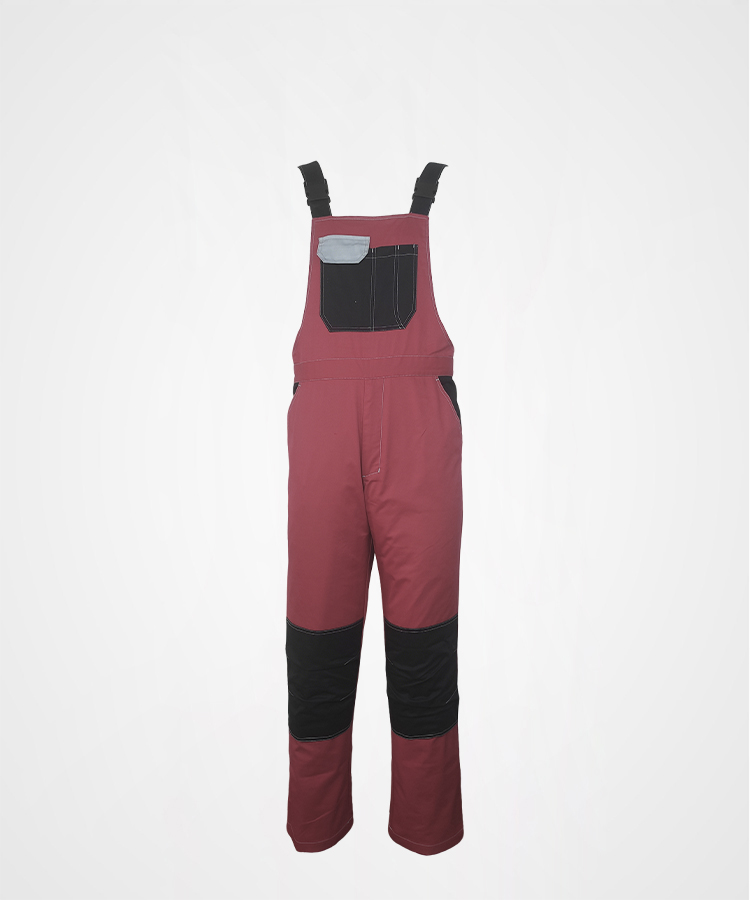
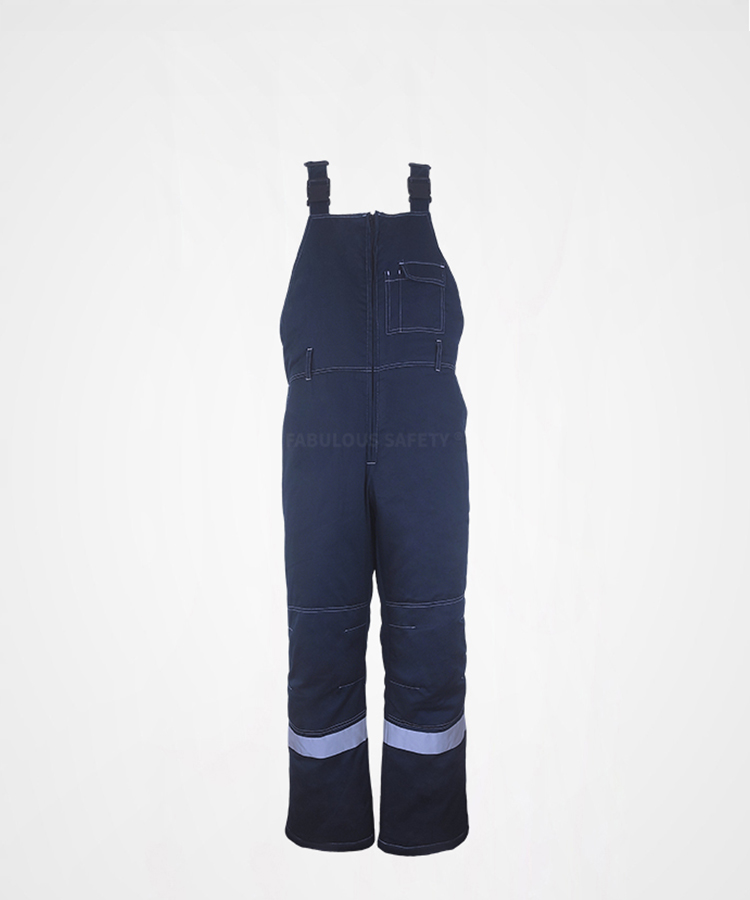
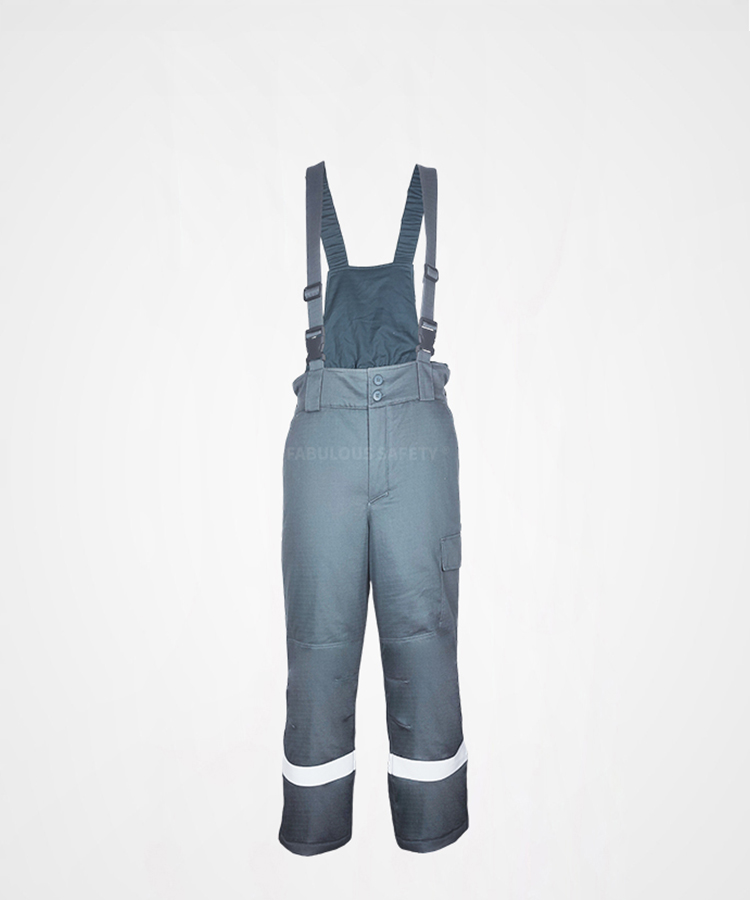
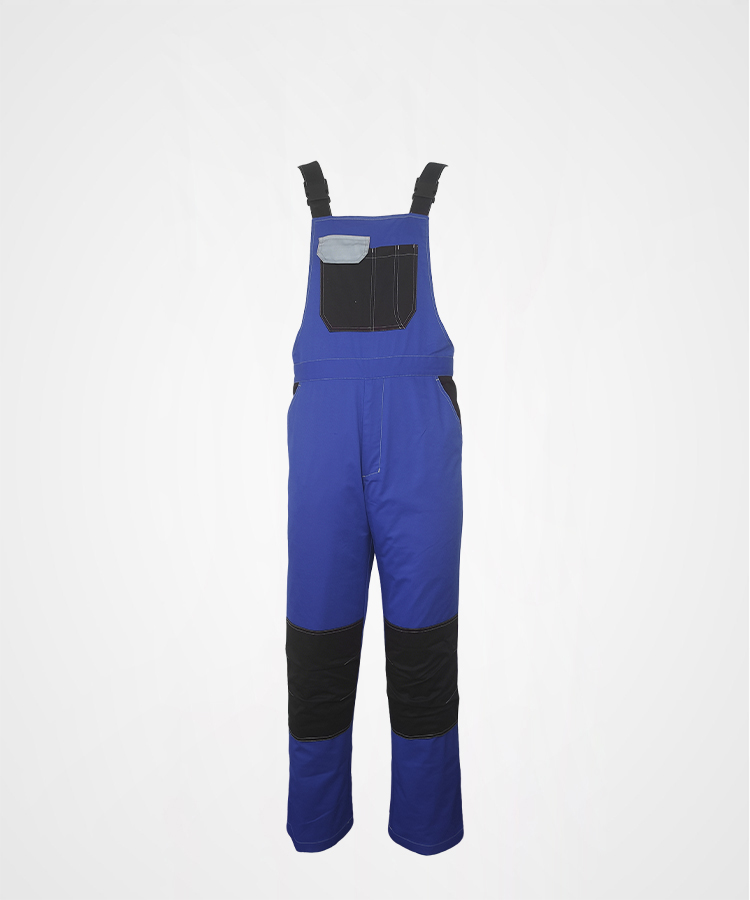
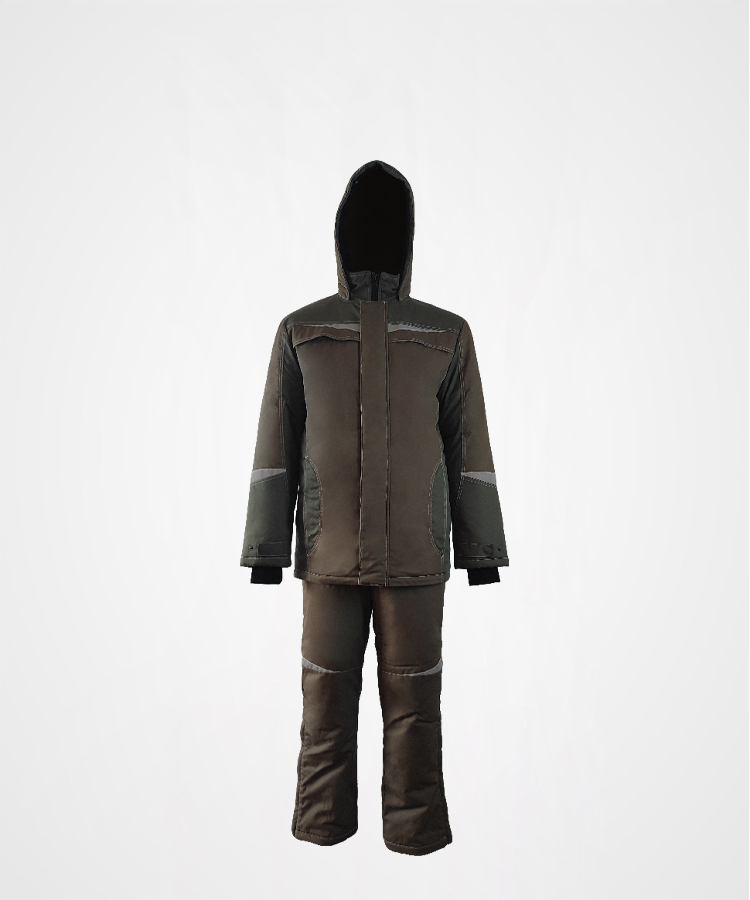
Flame retardant overalls are one-piece full-coverage work garments. Designed for all-round body protection, they feature integrated cutting, practical pockets and reinforced stitching. They offer comprehensive defense against flames, sparks and radiant heat during work.
4. Core Performance
Flame Retardant Performance
When exposed to open flame or hot sparks, the fabric forms a protective carbon layer to isolate oxygen, stop flame spread and self-extinguish once away from fire sources. It retains stable flame resistance after repeated industrial laundering, complying with EN 11612, NFPA 2112, GB 8965.
Physical & Wearing Performance
- Excellent durability: Resists abrasion, tearing and daily deformation.
- Low shrinkage and good wrinkle resistance, easy to maintain.
- Balanced comfort: Natural breathability from cotton and structural stability from polyester.
5. Features of the Manufacturing Mill
- Integrates fabric weaving, flame retardant finishing, dyeing and garment tailoring, realizing one-stop production.
- Implements strict quality control for fabric performance, sewing workmanship and safety indicators.
- Supports customized sizes, colors, logos and additional functions such as anti-static and high-visibility.
- Supplies bulk flame retardant CVC fabrics and finished overalls for workwear distributors and industrial clients.
6. Advantages
- CVC material balances comfort, durability and cost, cost-effective for mass uniform procurement.
- Flame retardant function is stable and long-lasting for long-term industrial use.
- One-piece overall design provides full-body protection for frontline workers.
- Good versatility, adaptable to multiple hazardous working environments.
7. Limitations
- Breathability is slightly inferior to 100% cotton fabric.
- Improper cleaning with bleach or strong alkaline detergent will damage flame retardant properties.
8. Application Scenarios
- Full-body protective overalls for petrochemical, oil & gas, power, metallurgy and welding industries
- Standard work uniforms for factories, workshops and construction sites with flame and spark hazards
- Bulk supply for domestic markets and export safety apparel orders
9. Relevant Standards
- Flame resistance: EN 11612, NFPA 2112, GB 8965
- Fabric physical properties: ISO 13934, ISO 13937
- Color fastness: ISO 105 series
- Dimensional stability: ISO 6330
- Optional function: EN 1149 (Anti-static)
Measurements are in inches.
Hint: For the most accurate results, measure yourself in your undergarments.
Neck: Measure around the base of your neck, inserting your forefinger between the tape and your neck to allow ease in fit.
Chest: Measure around the fullest part of your chest, keeping tape firmly under your armpits and around your shoulder blades.
Waist: Measure around your waist, slightly below your natural waist, where you normally wear your pants. Insert your forefinger between the tape and your body to allow ease in fit.




 公网安备: 41070202000590